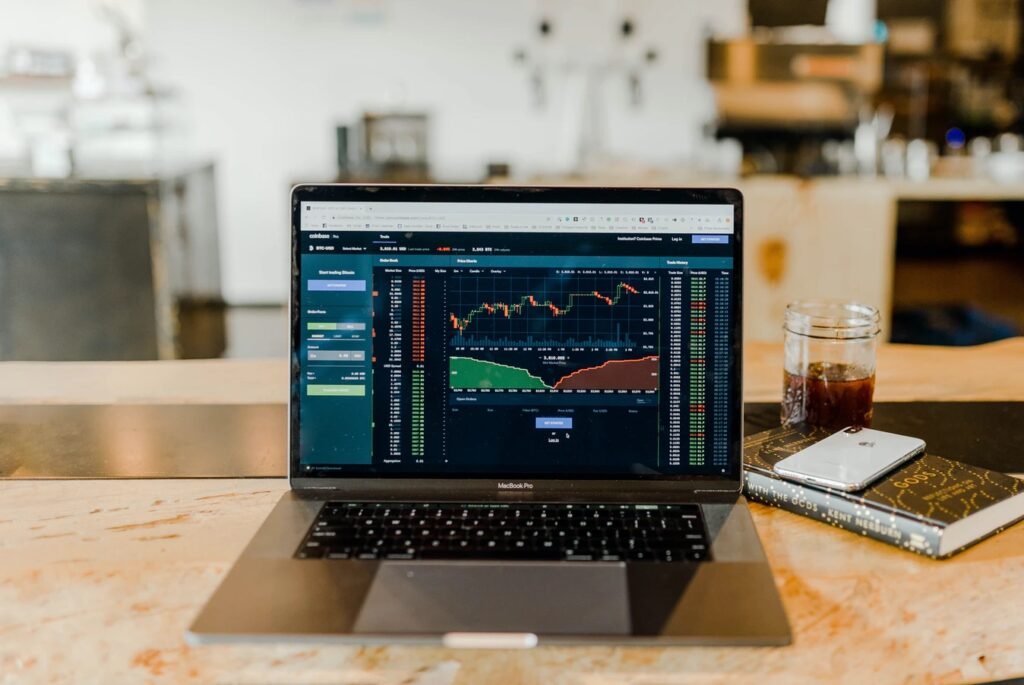
Fear has long been associated with the stock market. This anxiety intensified after the Great Depression of 1929, deepened with the 2008 financial crisis — triggered by excessive risk-taking by banks and the collapse of the U.S. housing bubble — and resurfaced in 2020 when the COVID-19 pandemic sparked another global financial downturn.
These events have kept many retail investors on the sidelines. In numerous countries, investing in the stock market is simply not part of the culture. However, in nations with historically low interest rates, like the United States, people are naturally encouraged to seek higher returns in financial markets.
It is difficult to grow wealth at rates of around 3% per year (roughly 0.25% per month). Use our calculator to see for yourself — returns at that level barely keep pace with inflation. So, if your goal is to build wealth rather than merely preserve it, the stock market deserves serious consideration.
But what if you are not an experienced trader? What if you don’t have the time, the expertise, or even the desire to follow the market closely?
There are two solid options.
Option 1: Professional, Independent Investment Advice
Quality financial advice comes at a price — and for good reason. Professionals dedicate years to understanding the market, tracking it daily, and developing the expertise that informs sound decisions. You might wonder: if they know the market so well, why don’t they simply invest their own money?
The answer is twofold. First, selling well-researched insights can be far more profitable than acting on them alone. If a stock is expected to rise 10%, an investor gains 10% of their own capital — but an advisor sharing that insight with thousands of clients generates income that scales with their audience. Second, many countries have regulations that restrict individuals from simultaneously operating in the market and selling advice, to prevent conflicts of interest.
This is precisely why you should be cautious about taking advice from your broker or bank. Their incentives may not align with yours. A truly independent advisor, on the other hand, only benefits when you do.
Capitalist Exploits is one such service, offering professional investment advice focused on asymmetric risk/reward opportunities — situations where the potential upside significantly outweighs the downside. Rather than being tied to any particular asset class, sector, or geography, they leverage subject-matter experts to identify investments with the potential for outsized returns. You can read their independent reviews on Trustpilot.
One final reminder: success in the stock market requires patience. Even some of the world’s most celebrated investors have endured years of negative returns before achieving remarkable results. Don’t expect overnight riches — think in years, not weeks.
Option 2: Social Trading
Social trading offers a more hands-off approach. Rather than making your own investment decisions, you select one or more experienced traders based on their track record — including past performance and risk profile — and mirror their trades automatically. Like an independent advisor, these traders only profit when you do, keeping incentives aligned.
To learn more about the benefits of this approach, click here.
You can also combine both strategies: follow Capitalist Exploits long-term investment advice while making your account available to be copied by other investors through a social trading platform.